Visit Parker Baby
Co.
Visit Parker Baby
Co.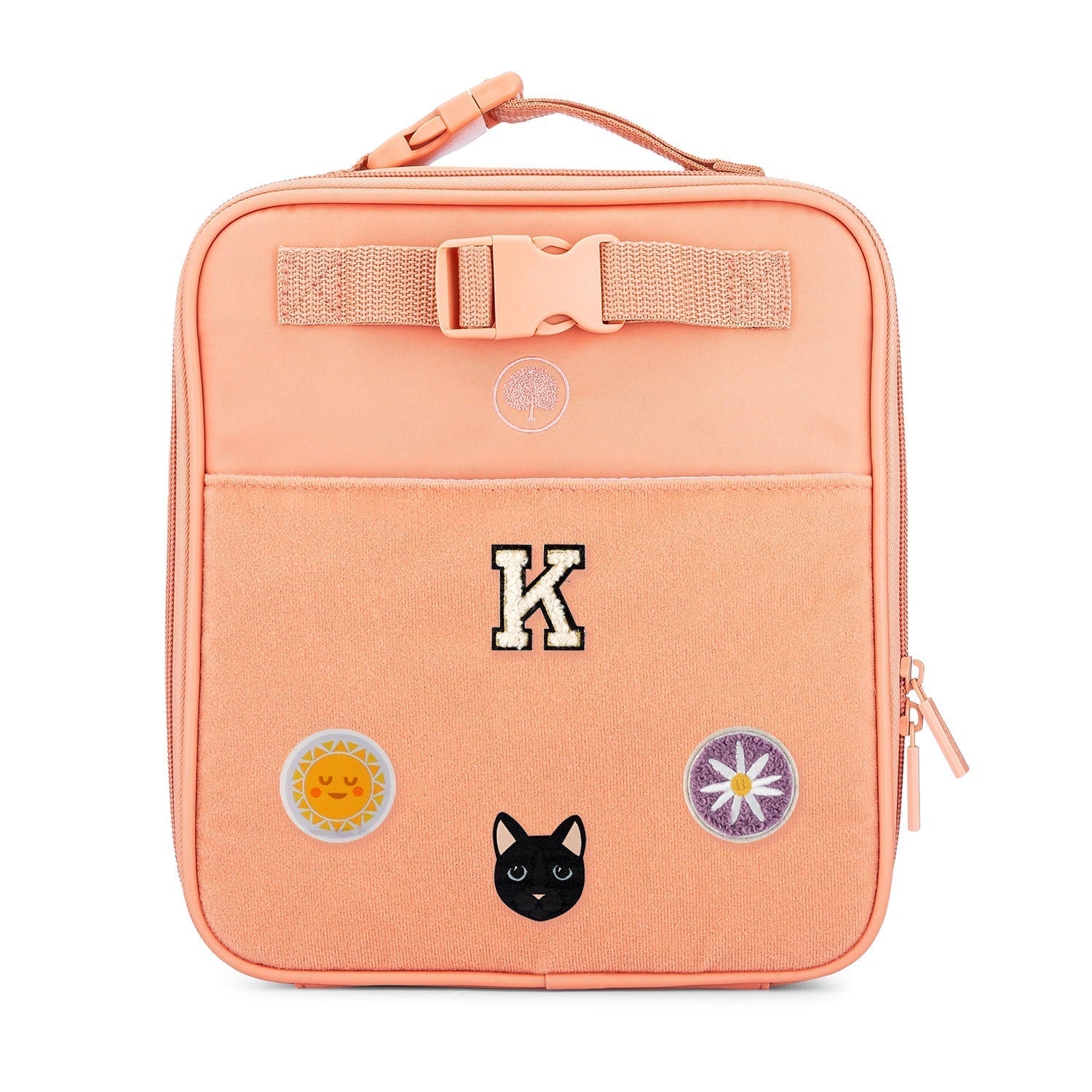









Your child is learning from you long before you sit down for a “character lesson.” The way they help clean up, wait their turn, handle mistakes, and care for others is already teaching them what it means to be responsible, patient, kind, and confident.
The good news? You don’t need to add another activity to your already busy schedule. Some of the best character-building moments are already part of your family’s everyday routine. From getting ready in the morning to winding down at bedtime, here are simple ways to build character in kids using the moments you already share.

Let Everyday Routines Do the Teaching
Kids learn character by watching us, trying things for themselves, and having opportunities to practice. That means an ordinary Tuesday morning can teach just as much as a planned activity. The key is to give your child small opportunities to participate, make choices, help others, and work through challenges.
Here are a few easy places to start:
Morning: Practice Responsibility
Mornings can feel rushed, but they’re also a great time to help kids practice taking responsibility for themselves.
Depending on their age, let your child choose between two outfits, get dressed, put pajamas away, or help pack their bag. They might need reminders, and they probably won’t do everything perfectly. That’s part of learning.

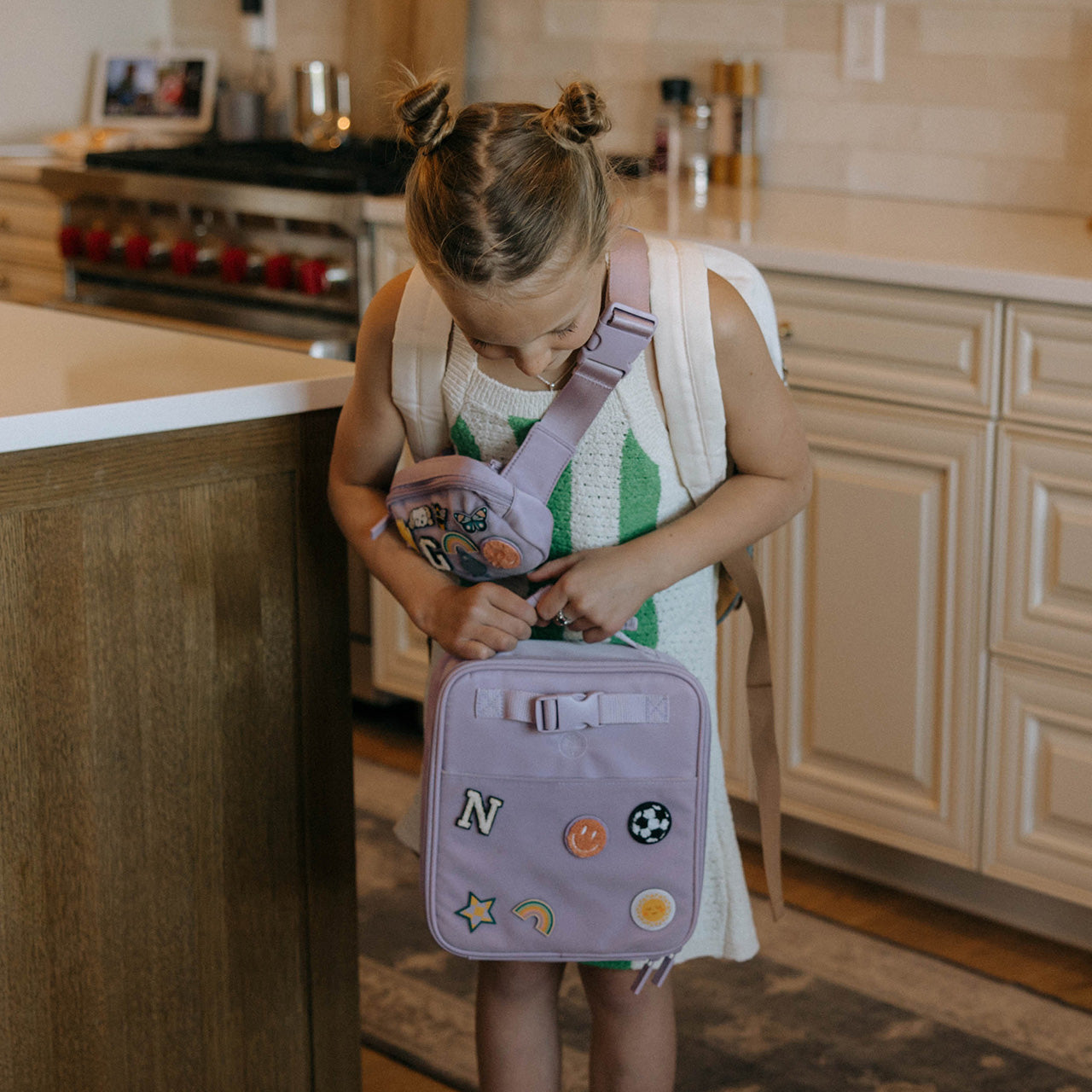
A Parker Kids backpack can give your child their own little piece of responsibility, whether they’re packing it for school, a playdate, or a family outing. Let them decide what they need, put their things away, and check their bag before heading out the door.
Instead of doing everything for them, try asking: “What do you need to do before we leave?” Giving kids a chance to think through their own routine helps build independence and confidence.
Mealtimes: Practice Kindness and Gratitude
Ask your child to help set the table, pass something to a sibling, or thank whoever helped prepare the meal. You can also make gratitude part of the conversation by asking: “What is one good thing that happened today?” These little habits teach kids to notice the people around them and appreciate the good things in their lives.

If your child has a Parker Kids lunch box, let them take ownership of packing it, carrying it, and putting it away after school. It’s a simple routine that can reinforce responsibility while giving them something that feels like their own.
Cleanup: Follow Through on Responsibilities
We all know kids can be very enthusiastic about getting toys out...and considerably less enthusiastic about putting them away.
Instead of treating cleanup as a punishment, make it part of the routine. Give your child a simple responsibility, like putting their toys in a basket or returning books to the shelf. You can even turn it into a quick family reset: everyone helps for five minutes, then you move on to the next thing.
Waiting: Practice Patience
Waiting is hard for kids. Honestly, it can be hard for adults, too.
Whether you’re waiting for a sibling to finish getting ready, standing in line, or waiting for dinner to be served, these ordinary moments give kids a chance to practice patience. When your child gets frustrated, you don’t have to immediately fix the feeling. Try acknowledging it and helping them work through it.

Say something as simple as: “I know waiting is hard. What could we do while we wait?” Over time, kids learn that being patient doesn’t mean they never feel frustrated. It means they can handle that feeling without letting it take over.
Mistakes: Practice Honesty
Kids are going to spill things, break things, forget things, and make mistakes. Those moments can actually become some of the best opportunities for character development.
If your child comes to you after making a mistake, try to make honesty part of the solution. You might say: “Thank you for telling me what happened. Now let’s figure out how we can fix it.”
There can still be consequences when needed. But when kids know they can tell the truth, they’re learning that honesty and accountability go hand in hand.
Give Them a Chance to Help
One of the simplest character-building routines is giving kids real ways to contribute.
Let them carry something, help put groceries away, feed a pet, choose a book for a younger sibling, or help with a family task. These jobs may take longer when little hands are involved, but they give children something important: the feeling that they matter and their contribution matters, too.

Let Kids See You Practice Good Character, Too
Kids are always watching.
They notice how you respond when you’re frustrated, how you treat other people, whether you apologize when you make a mistake, and how you handle things that don’t go your way.
That doesn’t mean you have to model perfect behavior all the time. In fact, letting your child see you make a mistake can be incredibly valuable.
Try saying:
- “I was frustrated, and I didn’t handle that very well. I’m sorry.”
- “That didn’t work the first time. I’m going to try again.”
- “I need to be patient while we wait.”
- “Thank you for helping me. I really appreciate it.”
These moments show children that character isn’t about being perfect. It’s about making good choices, taking responsibility, and trying again.
Don’t Turn Every Moment Into a Lesson
This might be the most important part. You don’t need to turn every spilled cup, sibling disagreement, or messy bedroom into a deep conversation about character.
Sometimes your child just needs a hug. Sometimes they need a reminder. Sometimes they need to try again. Character develops through everyday practice, not perfect parenting.
Look for the moments that naturally come up and use them when you can. Over time, those small experiences become the foundation for how your child learns to treat themselves and the people around them.

Start Small and Keep Going
If you want to build character in kids, you don’t need a complicated plan. Start with one routine.
Let your child take more responsibility during the morning. Ask a gratitude question at dinner. Give them a small job around the house. Practice patience while you wait. When they make a mistake, give them the opportunity to be honest and help make it right.
Because character isn’t built in one conversation or one activity. It grows through the little things kids see, hear, and practice every day.