Visit Parker Baby
Co.
Visit Parker Baby
Co.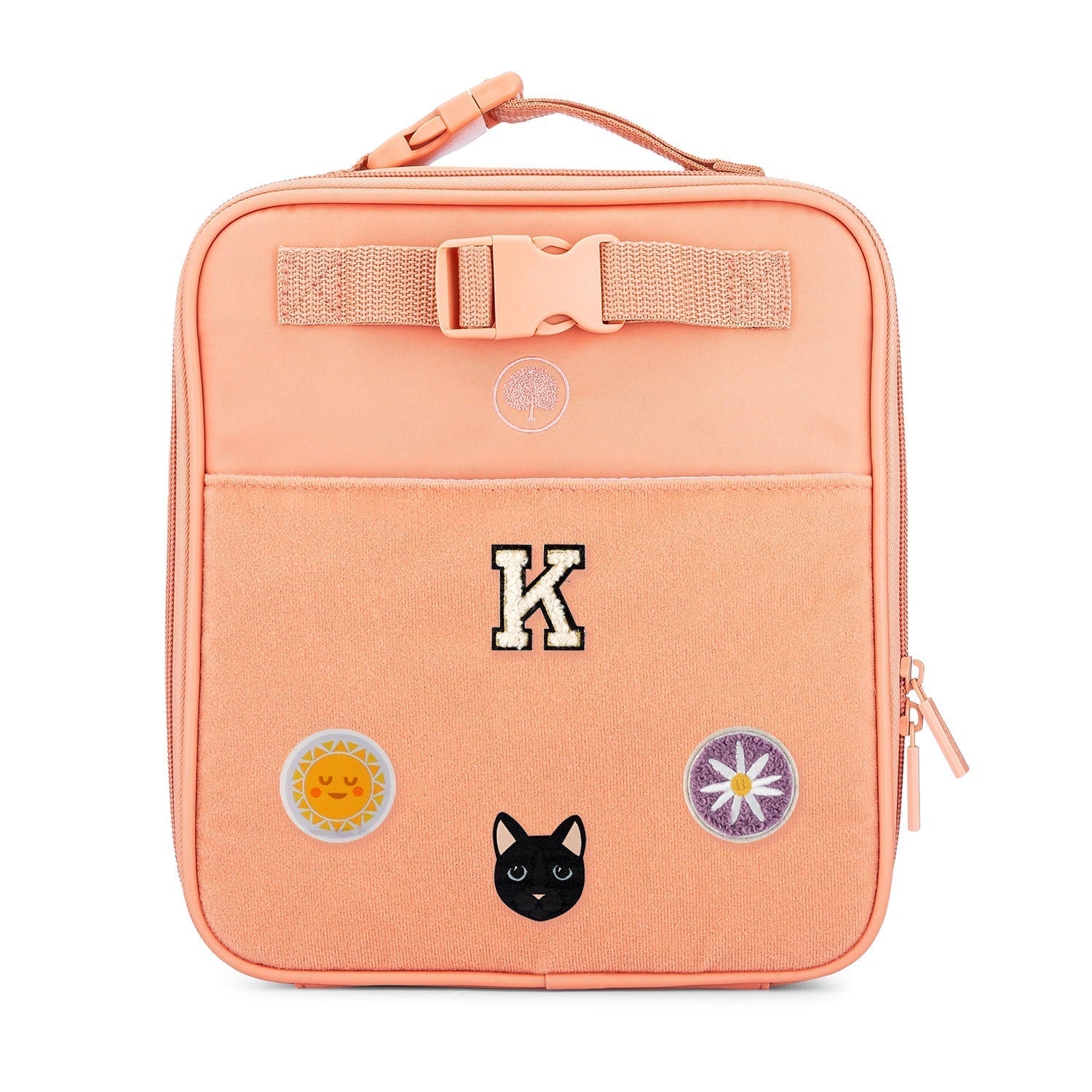









Young children are learning about values long before they understand what the word values means.
They learn through the way you respond when someone is sad, what happens after a mistake, how your family treats other people, and the conversations you have during everyday life. A child may not be able to explain why honesty matters yet, but they can begin to understand what it means to tell the truth. They may not be able to define kindness, but they can learn what it looks like to include someone who feels left out.
That is what teaching values to kids really looks like. It is less about sitting down for one big conversation and more about helping children notice the choices they make every day. Over time, those small moments help them understand what matters to your family and begin to shape the kind of person they want to be.
Start With the Values You Already Practice
When you think about teaching values to your child, you may imagine needing to sit down and explain what it means to be kind, honest, brave, or responsible. But young children often understand these ideas best when they can connect them to something that has actually happened.
If your child tells you the truth about making a mistake, you can talk about honesty. If they notice that someone is upset and try to help, you can point out their kindness. If they try something new even though they feel nervous, you can help them recognize their bravery.
You might say, “You told me the truth even though you were worried. That was honest,” or “You were nervous to try something new, but you tried anyway. That was brave.”
These simple comments help children begin connecting their actions with the values behind them. They start to understand that kindness, honesty, bravery, and perseverance are not just words adults use. They are qualities they can practice themselves.
This is a big part of character education at home. You do not need to create a lesson for every character trait. Sometimes, you simply need to notice what your child is already doing and give them the language to understand it.
Let Everyday Moments Lead the Conversation
Some of the best conversations about values happen when you are not planning to have one.
Maybe your child is upset because a friend did not invite them to play. Maybe they are struggling to share with a sibling. Maybe they made a mistake and are deciding whether to tell you what really happened. These moments can be difficult, especially when everyone is tired or frustrated, but they also give children an opportunity to think about their choices and how those choices affect other people.
Instead of immediately telling your child what they should do, you can help them think through the situation. You might ask how they think someone else felt, what they could do to help, or what the honest thing to say would be. You might ask what kindness looks like in that moment or what they could try if they feel like giving up.
You can keep a few simple questions in mind:
- How do you think they felt when that happened?
- What could we do to help?
- What would be the honest thing to say?
- How could we show kindness right now?
- What could you try if you feel like giving up?
You do not need to have a long conversation every time. Sometimes, one question is enough to help your child pause and look at a situation from another perspective. Other times, the conversation might continue later while you are driving home, eating dinner, or getting ready for bed.
The important thing is that your child begins to understand that their choices matter and that values can help guide them through difficult moments.
Let Them See Your Values in Real Life
One of the most powerful ways to teach values to kids is to let them see those values in your own life.
Children notice how you respond when you are frustrated. They notice whether you apologize after making a mistake, how you talk about other people, and whether you follow through when you say you are going to do something. They are learning from these moments even when you are not intentionally trying to teach them anything.
That does not mean you need to be perfect. In fact, some of the most meaningful lessons can come from letting your child see you work through an imperfect moment.
You might say, “I was frustrated, and I spoke too loudly. I should have taken a breath before I responded. I'm sorry.” Or maybe you make a mistake and say, “I got that wrong. I'm going to be honest about it and figure out how to fix it.”
In moments like these, children learn that values are not just things we expect from them. They are qualities that everyone continues to practice. That is what makes character education at home so meaningful. Children are not only learning from what we tell them. They are learning from what they see us do.
Make Values Part of the Conversations You Already Have
Values do not have to become another thing on your parenting to-do list. You can talk about kindness while reading a book together, honesty after your child tells you about something that happened at school, or perseverance when they are working through a puzzle that is proving to be more difficult than expected.
Asking a simple question can open the door to a meaningful conversation:
- What was something kind someone did for you today?
- Did anything feel difficult today? What helped you keep going?
- Was there a time today when you had to be brave?
- What is something you are proud of yourself for doing?
- Did you get a chance to help someone today?
These questions can happen in the car, at the dinner table, or while you are getting ready for bed. They do not need to turn into a serious discussion, and your child's answer may be only one sentence. That is okay. The goal is simply to make space for your child to think about the qualities they are developing and the choices they are making.
Over time, these conversations can become part of your family's everyday language. Your child begins to understand what your family means when you talk about being kind, honest, brave, responsible, or compassionate.
Give Children Opportunities to Practice
Talking about values is important, but children also need opportunities to practice them in their own lives.
A child can learn responsibility by helping care for their belongings or completing a simple task at home. They can practice kindness by helping a sibling or including someone in play. They can develop bravery by trying something new, even when they are not sure how it will go.
This does not mean every chore or difficult moment needs to become a lesson about character. It simply means that children need room to participate, make choices, and sometimes figure things out for themselves.
If your child makes a mistake, they may need the opportunity to apologize or help make things right. If they are struggling with something, they may need encouragement to try again rather than having the problem immediately solved for them. Those experiences are part of learning.
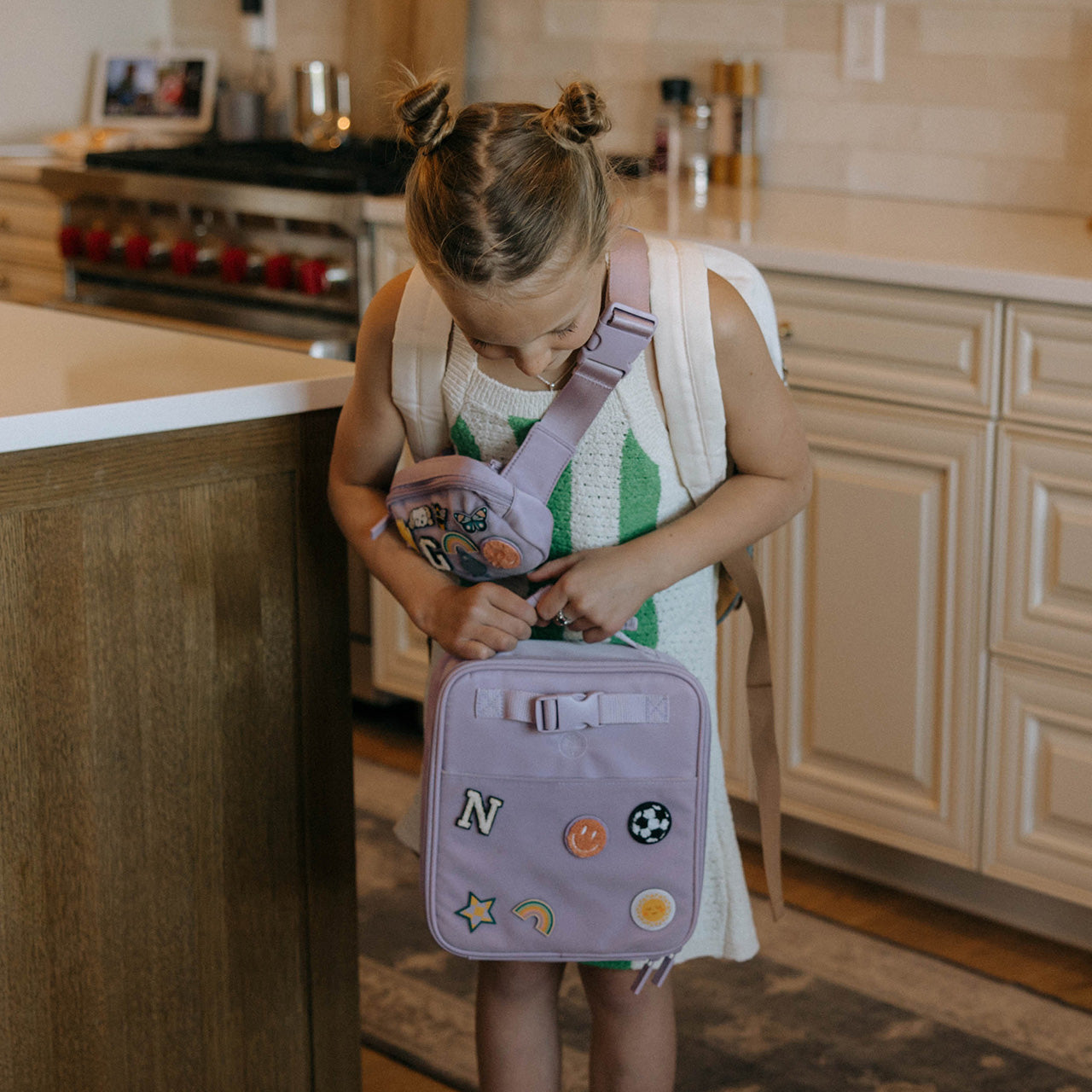
For some children, a visual reminder can make these conversations feel more tangible. A Character Patch can give them a way to celebrate a quality they are developing and create a natural opportunity to talk about what that trait looks like in everyday life. It can be as simple as asking, “When did you show kindness today?” or “What is something brave you tried this week?”
Remember That Values Take Time to Grow
Teaching values to kids is not about expecting them to understand everything immediately. Young children are still learning how to manage their emotions, consider other people's feelings, and make thoughtful choices. They will forget. They will make mistakes. They will sometimes know the kind thing to do and still choose something else. That is part of growing up.
Your role is not to make sure your child gets every decision right. It is to keep giving them opportunities to learn, repair, practice, and try again. Over time, your conversations, your example, and the experiences you create at home all help your child develop a deeper understanding of what your family values and how they want to live those values themselves.
The process can be slow, and sometimes it may feel like your child is not listening at all. Then, one day, they tell the truth about something they could have hidden, comfort a friend who is upset, or keep trying after something feels difficult. Those are the moments when you realize the little conversations have been adding up all along.
The Little Moments Matter
Because teaching values to kids does not have to be complicated. It can start with a conversation in the car, a question at bedtime, or simply noticing something good your child is already doing.